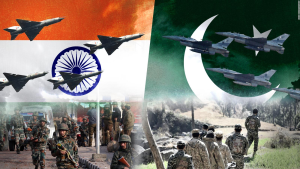

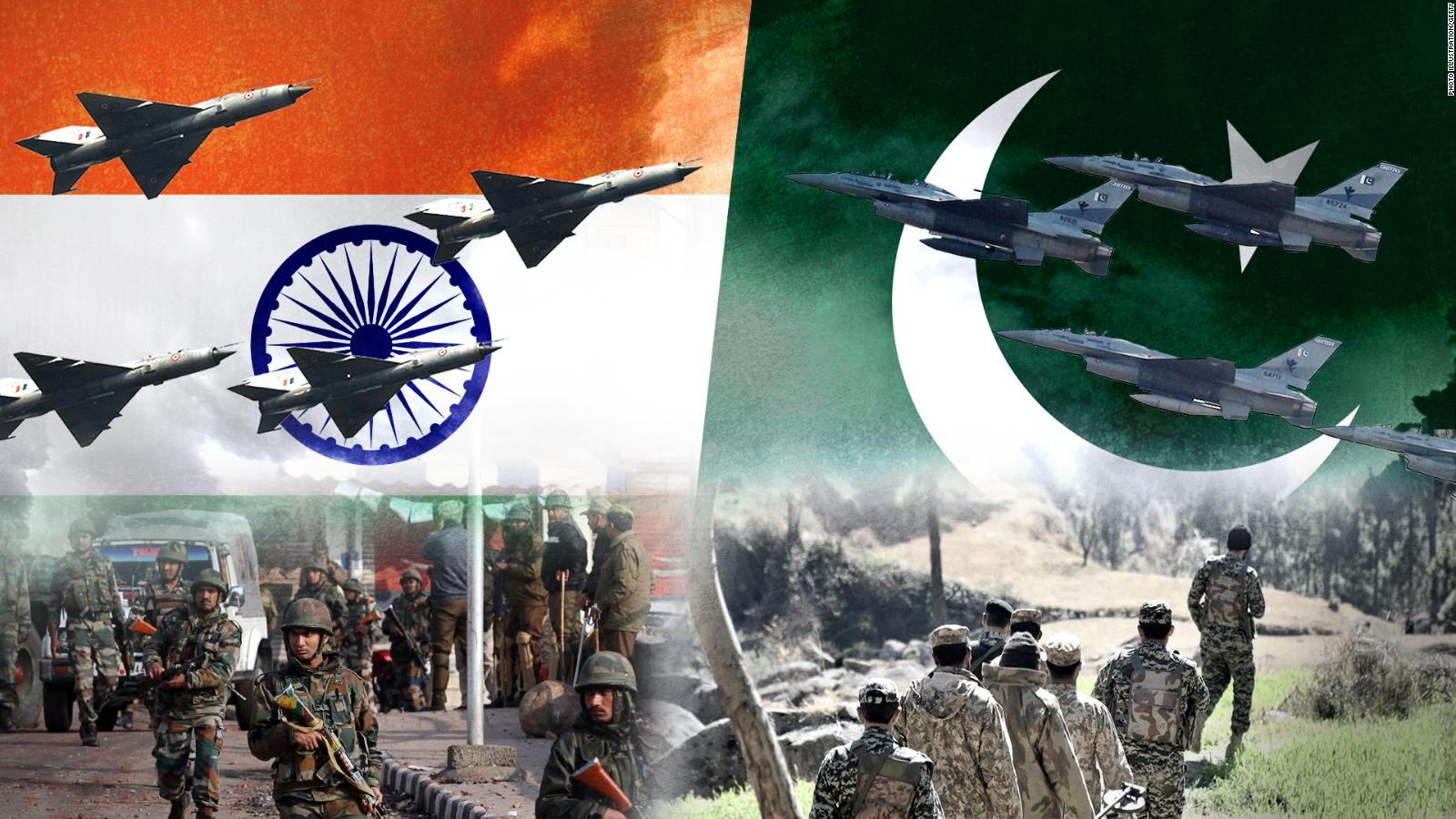
Although we are not in favor of war, we should consider this issue keeping in mind our national interests. The Hindu religious nationalist forces of India are pursuing a policy of annihilating our existence. We consider the Indian state and Hinduism as foreign states and religions respectively. Even Pakistan has not been an open supporter of our national struggle till date. Therefore, it is necessary that we use this war environment strategically to strengthen our national struggle. Therefore, it is necessary that we understand the effects of war on international politics and the internal politics of countries. For the last two centuries, war has been the main reason for bringing about institutional change in states. In the nineteenth century, the need for human and financial resources to meet the needs of war enabled communities to seize political power and as a result, monarchies were abolished.
The revolutions in America and France and political changes in other parts of Europe made communities the centers and sources of power. During the colonial period, we failed to struggle for the independence of our state as an independent community. Throughout the colonial period, when communities were creating their own states as a result of wars, we remained part of the Indian Hindu community. After Indian independence, as soon as communal self-consciousness arose within us, the Indian state and Hindu forces implemented a policy of eliminating our religion, language, traditions and cultural identity. This invisible and subtle policy was understood by a large section of Sikhs after the Indian state attacked Sri Akal Takht Sahib and Sri Darbar Sahib in 1984. This war became a source of awakening communal self-consciousness within us. Due to this communal self-consciousness, thousands of our Sikh warriors lost their lives fighting the Indian state. Therefore, the Indian state and Hindu nationalist forces are enemy parties for us. The decline of the military and financial power of the enemy party is beneficial for the establishment of the Sikh state. War always weakens the financial, technical and human resources of the central government. If there is a risk of regional war spreading internationally, international powers also adopt a policy of breaking up the warring countries. Yugoslavia in Europe is a great example of this phenomenon. But in order to benefit from the political institutional changes that result from wars, communities must have strong national organizations and internationally recognized leadership. It is important for us to understand the diplomatic needs of both sides in this war environment and try to create our own national organizations and national leadership from these needs.