
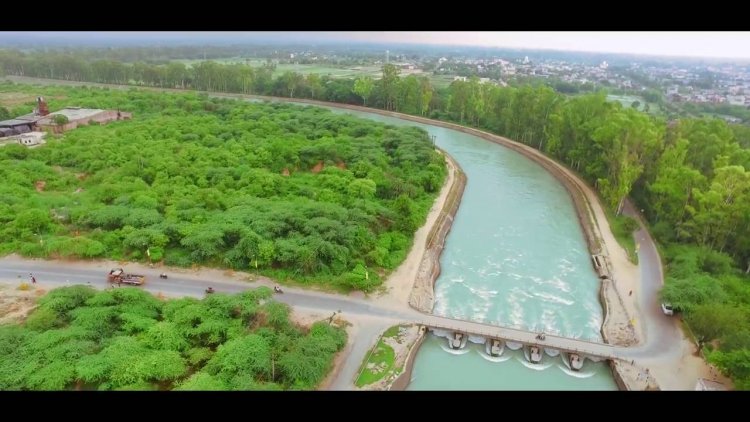
Residents, especially farmers, are expressing concern about the foul-smelling and polluted water. Several water works in these districts have stopped using canal water and are supplying groundwater to consumers. However, some rural water works are still relying on contaminated water. The situation has arisen due to contaminated water flowing into the Sirhind Feeder Canal from the Harike Barrage. The barrage is located at the confluence of the Sutlej and Beas rivers. The Sutlej is polluted by the Budha Nala, which flows through the industrial city of Ludhiana and carries untreated sewage. The Beas carries relatively clean water, which meets the Sutlej at Harike. However, this time, the low water level in the Beas is considered a major reason why the pollutants are more evident.
The Rajasthan feeder is currently closed, but water is still flowing through the Sirhind feeder canal. Officials say that the low supply downstream has led to water stagnation at the Harike reservoir. As a result, pollutants and filth are more visible. Normally, the Sirhind feeder is closed along with the Rajasthan feeder. The contaminated canal water is being used for human consumption and irrigation. Farmers say their concerns are not being addressed and except for Abohar MLA Sandeep Jakhar, no other politician has raised the issue. Fears are that the polluted water could stunt crop growth and lead to lower yields. Increased risk of skin and gastrointestinal diseases is also being highlighted. The Malwa belt is already known as the ‘cancer belt’.
The Punjab Pollution Control Board, Water Supply and Sanitation Department, Water Supply and Sewerage Board and Water Resources Department have started collecting samples and testing the water quality. However, some officials say there is little they can do except wait for the pollutants to naturally dilute. They claim that the situation will return to normal in a few days once full water supply in the canals resumes. However, some activists and farmers question whether just waiting for the water to dilute is the real solution. They are demanding stricter punishments for polluters and independent water quality monitoring.
The farmers argue that the crisis has been further compounded by the AAP government’s decision to implement the Water (Prevention and Control of Pollution) Amendment Act, 2024 in the state, which “allows industries to release pollutants into water bodies in exchange for a financial penalty ranging from Rs 10,000 to Rs 15 lakh”. They say that earlier, violations under water pollution laws could lead to imprisonment of up to six years. Col. Jasjit Singh Gill (retd), who is leading the campaign to clean up the Budha Nallah, claims that the amendment has “given free rein to industrialists to pollute Punjab’s waters with a chemical cocktail”.