
On the surface it seems like this, but the kind of procession of democracy that is taken out in these elections is also an example in itself. Do governments take panchayats seriously? Have the rights of the elected panchayats been allowed to remain by those politicians, bureaucrats? Have not the Panchayats been made paralysed? Have not the village leaders taken over the panchayats? The question also arises that what is the use of panchi, sarpanchi without factionalism and bullying? Do the governments grant the status of local governments to Panchayats, which they got under the 73rd Amendment of the Constitution by an Act passed in Parliament in 1992?
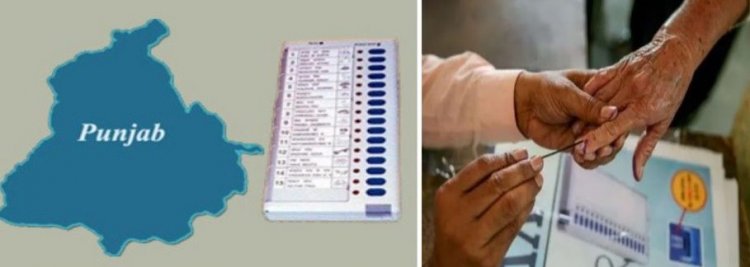
Despite these rising questions, the villagers are waiting. Panchayat elections in Punjab are going to be held on October 15. 13241 panchayats of Punjab will be elected by the people of the villages. Election marks have been allotted to the sarpanches and panchas. Sarpanches are divided into factions and groups and there is chaos in the Panches. The phenomenon of mutual suspicion and hatred is currently being seen in the villages at the summits. Like Lok Sabha and Vidhan Sabha elections, efforts have been started by political factions and groups to lure, scare and threaten people. In some places, there are reports of sarpanchi buying by force of money. But in some places, well-meaning village people with good background are coming forward.
Recognizing that their base is in the villages, the leaders of political parties are active directly, indirectly and campaigning their supporters for Sarpanchi, Panchi elections. Although by passing a law, the present government has passed the law not to contest panchayat elections on political symbols, but it has allowed that the candidate can publish the photo of the leader of his political party in his election materials. In fact, this is an attempt to show or increase its political base in the village panchayats in a twisted manner.
According to the 73rd and 74th amendment of the constitution, panchayats got the status of local government. Its aim was to create awareness among the people for the success of democracy in India. Local governments were therefore given constitutional recognition and more administrative and financial responsibilities were assigned to them. The thought behind this was that the democratic structure of India should remain permanent. People get an opportunity to solve local problems and social and economic development of the country and establish a welfare state through local governance. Realizing that these panchayat or urban institutions are very close to the people, they should be linked with local needs and development activities. Even if it is admitted that these bodies are not law enforcement bodies.
Because Panchayati Raj institutions were functioning in India for a long time. At one time local panchayats also had legal rights. But according to the constitutional amendment, Panchayat institutions were divided into four parts. The primary unit was the Gram Sabha, in which all the voting members of the village were elected. This Gram Sabha has to elect the Gram Panchayat. This Gram Sabha has to elect Panchayat Samiti and District Councils. The Gram Sabha was mandated to formulate annual plans for the development of the panchayat area, prepare the budget, remove illegal possession from public properties and promote unity and harmony among all sections of the society. Two meetings of the Gram Sabha were held in Hari and Sahunni. Apart from the main task of village development, Panchayats also got some civil, revenue and judicial powers. Block committees were made responsible for block and district councils for district development.
But it is a pity that the rights given to Panchayats have been destroyed by politicians and rulers. In defiance of the 73rd Constitutional Amendment, the present government first dissolved the panchayats before the five-year period and later held general elections on December 23 or January 2024, about 10 months after the expiry of the five-year period. Was it not a joke with panchayats and village people?
Such action was not taken only by the present government, but also by the Akali, Congress governments, carelessness and indifference continued to be used regarding panchayat elections and the rights of panchayats continued to be usurped through bureaucratic rule and babus rule.