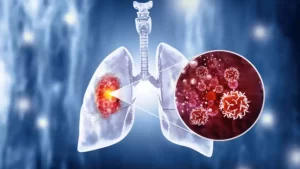


Everyone knows that smoking can cause lung cancer. But a study published in The Lancet Respiratory Medicine journal in 2025 has made a surprising revelation that lung cancer cases are increasing even among non-smokers. Researchers have identified air pollution as the main reason for this. This study has forced health experts and policymakers to think about improving air quality and cracking down on cigarette use. According to a 2025 study by the International Agency for Research on Cancer, which is part of the World Health Organization, the most common type of lung cancer among non-smokers is adenocarcinoma. It is especially seen in women and the Asian population.
Freddie Bray, the lead author of the study and head of the Cancer Surveillance Branch of the International Agency for Research on Cancer, said that increasing levels of air pollution have increased cancer cases among non-smokers. Fine particles and toxins like PM 2.5 can reach the lungs through inhalation and damage cells, causing cancer.”According to 2025 research, smoking and second-hand smoke (passive smoking) are serious health risks. According to a 2025 report by the World Health Organization, smoking causes about 8 million deaths every year, of which 1.2 million deaths are due to exposure to second-hand smoke. Second-hand smoke increases the risk of lung cancer and respiratory diseases in non-smokers, especially children and pregnant women. In addition, smoking is also a leading cause of heart disease, stroke and serious lung problems. Another important 2025 research, published by the US National Institutes of Health, shed light on the effects of air pollution. According to the report, PM2.5, nitrogen dioxide and other pollutants Causes DNA damage in lung cells, which increases the risk of cancer. Vehicle smoke, industrial pollution and wildfire smoke in urban areas are seriously affecting air quality. This has increased the cases of lung cancer even among non-smokers. This study has made it clear that apart from smoking, air pollution is also becoming a major cause of lung cancer. According to the 2025 World Health Organization report, most of the world’s population is still living in areas where the air quality is not safe for health. Experts have recommended that governments take strict steps to ensure clean air. This includes controlling pollution sources, promoting greenery and public awareness campaigns. Many countries have also adopted strict policies in 2025 to prevent smoking. On the advice of the World Health Organization, high taxes have been imposed on tobacco products in many countries and restrictions on smoking in public places have been increased. have been made. At the same time, health warnings on cigarette packaging have been made clearer and more effective. This study could prove to be an important milestone in the field of health care. It has made it clear that both smoking and air pollution are major risks of lung cancer.