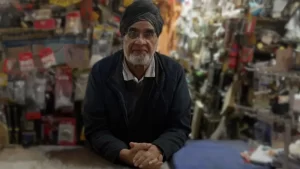

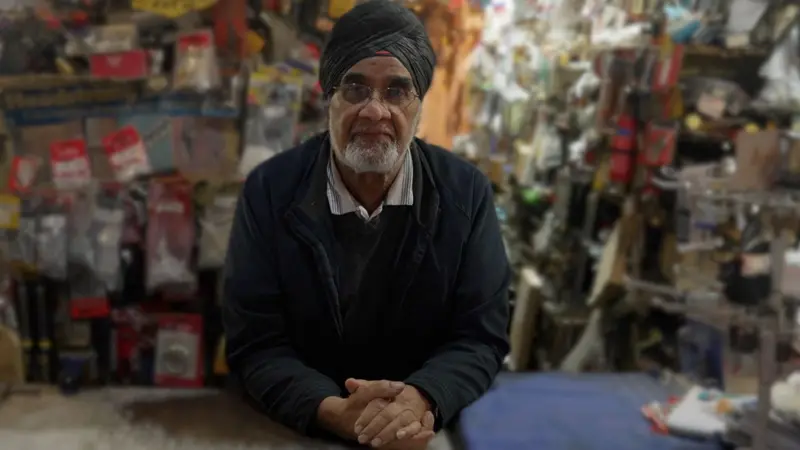
Jagjit Singh Riyat and his father Mahendra Singh Riyat launched a historic campaign in 1988 to uphold the religious identity of Sikhs in the UK. This campaign gave Sikhs the freedom to wear turbans instead of safety helmets on construction sites. In 1989, a legal exemption was granted on this issue, which recognised the identity of the Sikh religion. In 2015, the Deregulation Bill extended this exemption to all workplaces, giving employers limited liability. This victory gave Sikhs the right to work with pride in their turbans.
According to Jagjit Singh Riyat, in the 1960s, Sikhs were prohibited from wearing turbans on construction sites. Wearing hard hats was mandatory, which made it difficult for Sikh youth to get jobs. Mahendra Singh Riyat met with MPs, such as Margaret Thatcher and William Whitelaw, to change this law. He explained the importance of the turban in Sikhism. Jagjit Singh also fully supported his father in this struggle. The unity of the Sikh community and the support of local organizations made this campaign successful.
Turban bans in many institutions in the UK
Turbans are still banned in the UK due to safety regulations for certain jobs, such as pilots in airplanes or in hazardous chemical industries. But Sikhs had also fought in other areas. For example, in 1976, Sikh motorcyclists were exempted from wearing helmets. In 1983, the campaign to allow turbans in school uniforms was successful. These victories strengthened Sikh identity in the UK’s multicultural society.
International media, such as The New York Times and Al Jazeera, also described this campaign as an example of religious freedom in a multicultural society. The New York Times of America wrote in an article in 1989 that this victory of the Sikhs in the UK highlighted the importance of religious freedom in a multicultural society. The newspaper described Jagjit Singh’s campaign as “an example of protecting the rights of minority communities.”
Similarly, Canada’s The Globe and Mail wrote that Jagjit Singh’s campaign inspired the Sikh diaspora and laid the foundation for the struggle for Sikh rights in other countries. Al Jazeera described it as a victory for the social awareness and organization of the Sikh community.
UK newspapers, such as The Guardian and The Times, described the Rayat family’s campaign as an example of the religious freedom of the Sikh community. The Guardian (November 2024) wrote that “Rayat’s campaign established the identity of the Sikhs in the legal framework of the UK.”
The Independent reported that Jagjit Singh’s campaign had strengthened Sikh identity in UK society and encouraged debate on multicultural policies. The newspaper wrote that the victory had given Sikhs a chance to feel proud of their identity.
The Sikh community also held large rallies and demonstrations to support the campaign, which The Telegraph described as “an example of Sikh unity”.
The BBC commemorated Jagjit Singh’s struggle in a documentary in 2010, describing him as “the defender of Sikh identity”. The report noted that Jagjit Singh’s campaign had not only secured the rights of Sikhs but also increased the ability to understand multicultural issues in the UK legal framework.
According to Prof. Gurharpal Singh (SOAS University), “the campaign had increased the political power of Sikhs and their presence in British society.” But some newspapers, such as The Daily Mail, questioned the security rules, to which Panthic organizations responded that the turban is not just a piece of clothing for Sikhs, but an integral part of religion.
The Rayat family’s campaign strengthened the religious freedom of Sikhs, but also faced social and legal obstacles in the process. Balancing security rules and religious identity was a major challenge. This victory increased self-confidence in the Sikh community and strengthened the UK’s multicultural policies. But there are still restrictions in some areas, which require constant dialogue between Sikh organizations. Jagjit Singh Rayat retired on 23 November 2024, closing his family business, MS Rayat & Sons.
The Rayat family’s struggle is an example of Sikh identity and religious freedom. It not only gave Sikhs the right to live with pride in their turbans, but also paved the way for the rights of minority communities in the UK. Today, the impact of Rayat’s campaign is clearly visible within the Sikh community and in the UK’s multicultural society. Sikh youth now work proudly wearing turbans, and Sikh identity is accepted in schools, public spaces and other institutions.