
Many efforts and struggles are being made to save the environment from the damage caused by these changes and the polluted environment, but these efforts to preserve and protect the climate and environment do not seem to be bearing fruit so far, because no effective results have been seen yet. It has certainly been seen that the damage and changes in the environment and climate at the global level are affecting everything in almost every country. In particular, these damages are clearly having a very negative impact on our food systems, i.e. from food production methods to consumption. This directly and clearly means that countries which are mainly directly and indirectly dependent on agriculture and food production activities are suffering more from these damages and they will have to suffer even more in the future. It is an important point that rich countries and rich people have a greater share in the deepening of climate change and disturbances, but the poor countries and poor people of the world are having to bear the brunt of this. In the future, they will have to bear even more, because the kind of methods adopted by which development has been carried out in the past around the world have directly caused many disturbances in the climate. Natural resources have been and are being used or misused more than necessary for development around the world, due to which rivers, oceans, other sources of water and air have been polluted, along with large-scale deforestation and agricultural methods that have also deteriorated the environment. The absence and lack of environmental protection have also further aggravated it. India has also not been able to escape climate change and disturbances and these changes have greatly polluted water, air and other sources of nature.
India is an agriculturally-dominated country in the world and is a large and growing economy, with the largest arable land area in the world. Agriculture is the largest source of livelihood for the Indian people and the agricultural sector contributes significantly to the country’s gross domestic product. Before and during independence, the country was among the countries with severe food shortages, but gradually, with the improvement in agricultural production and productivity, the country became one of the countries providing food security. Despite this, the lack of widespread access to nutritious and quality food for children, women and the poor in the country has given rise to health-related problems and issues. As India has the highest number of malnourished children in the world, food security is also not assured for a large number of the extremely poor population. Amidst all this, the widespread adverse effects of climate change are exacerbating these symptoms and are also creating obstacles to more sustainable and equitable food distribution systems. In this context, to understand the state of climate change in the country, especially the decline in agricultural production, hunger, and to reduce these effects, one should look at the reports of the International Food Policy Research Institute (96PR9) and other related reports so that the changing situations related to climate change, agricultural production and hunger can be understood.
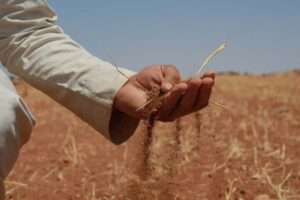
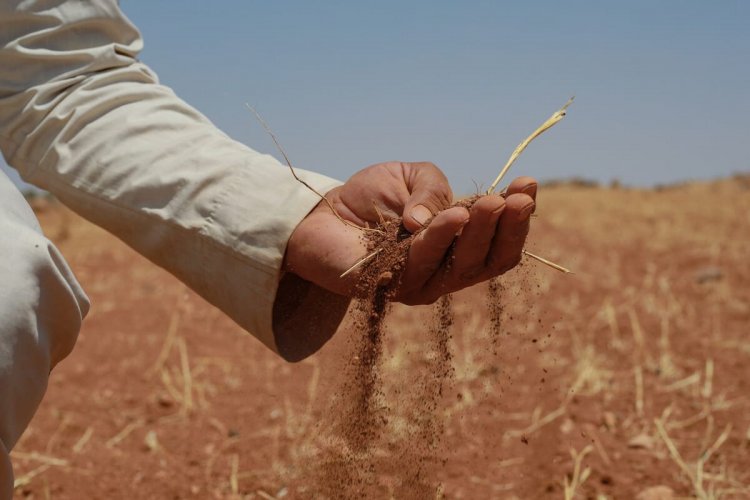
In the article below, the predictions made in these reports about the impact of climate and environmental changes and the effects on the agricultural sector and food security and hunger have been discussed and what can be done to reduce the effects of these effects. First of all, it is known that climate change seems to have the most adverse effects on the agricultural sector and agricultural production. These adverse impacts include, among others, reduced soil fertility, reduced crop productivity, increased vulnerability to pests and other threats, continued depletion and depletion of groundwater, and large-scale conversion of agricultural land for commercial and other uses. According to the Global Food Policy estimates, global food production is expected to decline by 8 percent by 2050. India is projected to see a 16 percent decline in total food production, the highest in the South Asian region. In other countries, the United States is projected to see a 34 percent decline, Australia 18 percent, Japan 17 percent, Britain 7 percent, and China 5 percent. These figures clearly show that in the coming time, due to the decline in agricultural production, food security in the world will be undermined, especially for poor people and poor countries, nutritious food and adequate food will become inaccessible. In such a situation, it is natural that traders and corporate houses will not hesitate to hoard and black market agricultural commodities for their own profits. As a result, the number of people on the verge of hunger will increase globally.
According to estimates, by 2030, about 65 million more people will be at risk of hunger globally due to the effects of climate change. South Asia, including India, tops the list of countries at risk of global climate change-induced hunger. In our country, more than the entire world, about 17 million more people will reach the brink of starvation, in the second place, 48 lakh additional people in the Democratic Republic of Congo will go under the threat of starvation. Not only this, it has also been estimated that if climate change and degradation occur, then by 2030, the number of people on the brink of starvation in India will double.
The number was to be 73.9 crore, but it was to come down to 45 crore by 2050. If climate change and degradation continue as it is, then the number of people on the brink of hunger in India will be 90.6 crore in 2030. It is clear that climate change and degradation can bring about changes in the total food production at the global level. It is also worth mentioning that the effects of climate change are going to last for a long time. If the adverse effects of climate change are not addressed, then crores of people, especially the poor, will be at risk of starvation and death.
Now, finally, the reports have mentioned some of the major causes of climate change and degradation and have also given some suggestions to fix them. Among the major causes affecting climate change are the increase in average and extreme temperatures and the high probability of this trend continuing. The unprecedented rate of melting of Himalayan glaciers and the increase in temperature and increased average rainfall are leading to an increase in the destructive monsoon rains. These hazards of climate change and disasters are expected to increase and intensify in the future. According to the reports, the average temperature across India is expected to increase by between 2.4 degrees Celsius and 4.4 degrees Celsius by 2100. Similarly, heat waves are also expected to increase threefold or fourfold in India by 2100. After studying these impacts of climate change and disasters, the reports also propose some measures to mitigate these impacts. Adopting crop diversification has been suggested as the most important solution. It has been advised to plant crops in agriculture that do not have a negative impact on the climate. Also, public investment in agricultural research and development should be increased. It is worth mentioning here that public investment in agriculture in India is meager, it is the need of the hour to increase it.
Farm mechanization and soil moisture conservation should be adopted on an urgent and priority basis. Reforms in fertilizer subsidies, energy policy and agricultural support mechanisms should be initiated. Establishment of new institutions to ensure proper management of the food system is the need of the hour and it is very important to leverage the resilience demonstrated by agri-food systems during pandemics and make this sector more inclusive, sustainable and resilient.