

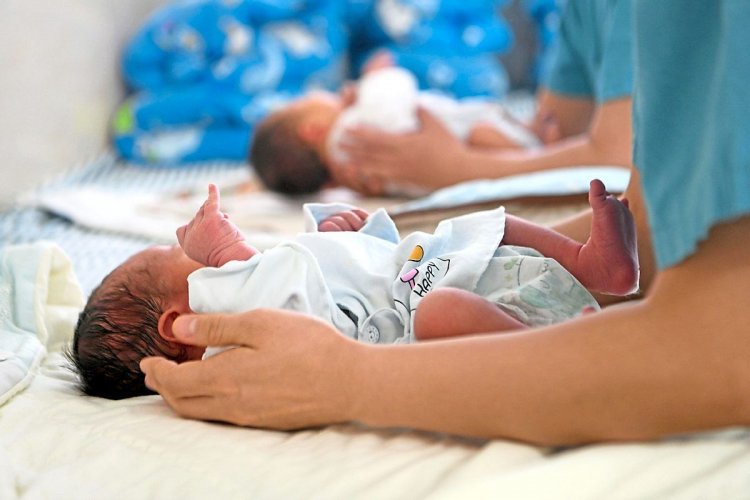
Germany is witnessing a steady decline in the number of children born. The average number of children born to German women in 2024 is 1.38, compared to 1.58 in 2021. The average age of women at the birth of their first child is 30.3 years. Due to changes in lifestyle and social structure, the interest in marriage and having children among young people is decreasing. Since 1971, the number of deaths in Germany has been higher than the number of births. The difference between births and deaths was 3.3 lakh in 2024, which is the same as in previous years.
Germany’s population growth is only due to immigrants. In 2024, the total population of Germany was 83.6 crore, which is 1.21 lakh (0.1%) more than in 2023. However, the net number of immigrants (the difference between arrivals and departures) was 6.6 lakh in 2023, which decreased to 4.2 lakh in 2024. At the same time, every fourth immigrant is thinking of leaving Germany. The number of foreigners increased by 2.3% to 12.4 million, which is 14.8% of the total population.
The largest group of foreigners in Germany is of Turkish origin, numbering 14.03 million. This is followed by people from Ukraine (1.085 million), Syria (8.89 million), Poland (7.23 million), African countries (7 million), Afghanistan (4.4 million), Iraq (2.6 million) and India (2.7 million). People of different ethnicities and religions live in Germany, including Islam, Christianity, Judaism and other religions. Talking about the Sikh religion, the estimated number of Sikhs is between 15,000 and 25,000, but exact figures are not available.
The aging population in Germany is increasing. In 2024, the number of people aged 60-79 increased by 2.2% and those aged 80 and over by 0.2%. 30.5% of the total population is aged 60 or over. This increase is due to the aging of the ‘baby boomer’ generation (1946-1966). In contrast, the declining birth rate is leading to a shrinking population in Germany. This changing demographic of Germany suggests that immigrants will play an increasingly important role in the future, but the declining number of children and the increasing presence of older people are increasing the challenges for people of German origin.