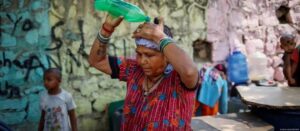

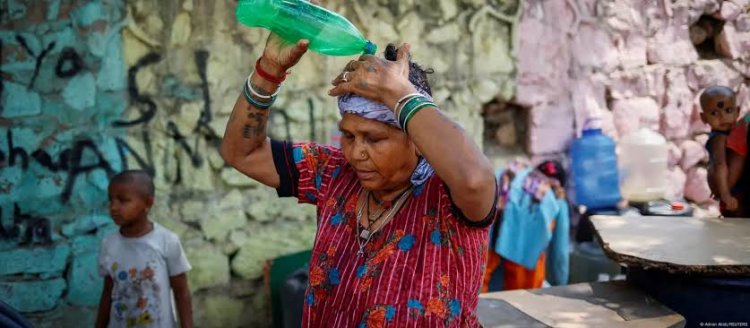
Heatwaves in India killed nearly 20,000 people between 2001 and 2019. A recent study has revealed that men are more vulnerable to heatstroke. Marginalised caste groups are also more vulnerable. The crisis of caste-based ‘thermal injustice’ Reports suggest that the death rate of people belonging to Scheduled Castes and Scheduled Tribes is much higher than that of other groups. Researchers have termed it ‘thermal injustice’. The study recommends that the government should formulate social security policies keeping caste in mind.
Men and working class worst affected
A research team from Haryana’s OP Jindal Global University found that people aged 45-60 were the most affected by heatstroke and extreme cold. Male deaths were 3 to 5 times higher than female deaths, as men spend most of their time working outdoors.
Climate Change and Growing Challenges
A 2021 United Nations report and other studies have warned that extreme weather events such as heatwaves will increase in the coming years in many parts of Asia, including India. According to the India Meteorological Department, February 2025 was the hottest February in the last 125 years. The researchers have advised the government to consider social security schemes for outdoor workers, especially low-income and daily wage workers. The study, which analyzed satellite data and data from the Periodic Labour Force Survey (PLFS), found that people from Scheduled Castes and Scheduled Tribes spend 43-49% of their time working outdoors, while people from upper castes work only 27-28% of their time outdoors. This disparity reflects a situation of ‘thermal injustice’, which requires caste-based safety policies to address.
Suggestions and recommendations from experts
The drafters have advised the government to: Create special safety schemes for Dalit and tribal communities, such as affordable healthcare, insurance, and financial assistance during the heatwave. Strictly enforce the restriction of workers’ working hours to morning or evening during extreme heat. Increase the availability of drinking water and shaded areas in public places in rural and urban areas. Strengthen healthcare facilities in rural areas for heatstroke patients.
Although the Indian government has taken some steps to deal with the heatwave, the lack of caste-based safety policies and special schemes for unorganized workers remains a major challenge. Given the growing impact of climate change, the government needs to create more effective and high-level policies to protect marginalized communities.