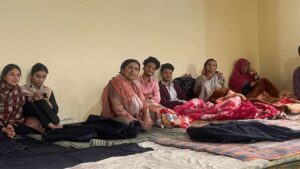

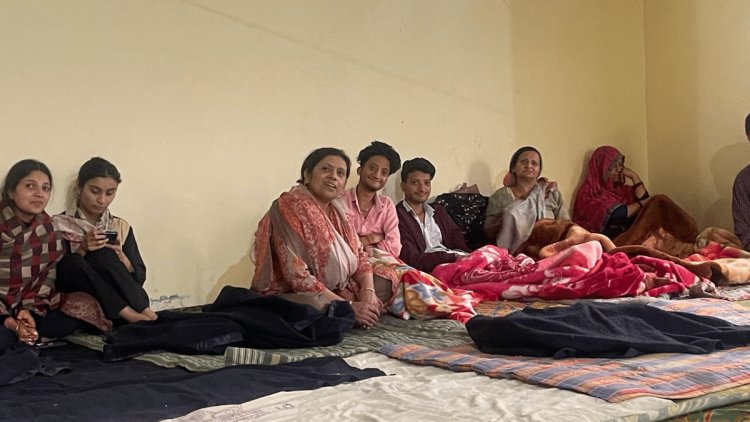
Pakistani shelling and drones near the Line of Control (LoC) in Kashmir had created an atmosphere of terror in the border areas. In such a crisis situation, the Sikh and Gujjar-Bakarwal communities presented a unique example of service to humanity. In border areas like Baramulla, Poonch, Rajouri, Uri, and Kupwara, Sikh organizations, Gurdwara committees, and Gujjar institutions provided safe shelter, langar, medical assistance, and rescue services to the stranded people. This service is a symbol of the spirit of Sikhism for the welfare of all and the tradition of social service of the Gujjar-Bakarwal community.
Service of Sikh organizations and Gurdwaras
Sikh organizations and Gurdwaras in the border areas of Kashmir and Punjab took the front line during the crisis. Gurdwara Chhevi Patshahi, Baramulla led the service. The management committee of this Gurdwara started a rescue operation for the people stranded in the border villages from May 7, 2025. Volunteers like Amanjit Singh safely transported 150 families from areas like Uri and Kupwara to Baramulla. Accommodation, langar, and basic medical aid were arranged at the gurdwara. Vegetarian food was served to people of all religions in the langar, reflecting the spirit of equality of Sikhism. Amanjit said that “our religion teaches us to serve humanity, and we stand with people in every difficulty.”
The Shiromani Gurdwara Parbandhak Committee also made a significant contribution. The SGPC used the Gurdwaras in the border districts of Amritsar, Tarn Taran, and Ferozepur in Punjab as Seva Kendras. Accommodation and langar were arranged for people from the border areas at Gurdwara Sri Darbar Sahib in Amritsar and Gurdwara Sri Tarn Taran Sahib in Tarn Taran. SGPC sevadars, in collaboration with the local Sikh communities, provided food, clothing, and medical facilities. The SGPC president described seva as part of the tradition of Sikhism and appealed to the government to seek the help of the Sangat in such crises.
Khalsa Aid, an international Sikh organization, took up seva work in the Rajouri and Poonch districts of Kashmir. Khalsa Aid teams provided food, drinking water, and temporary shelters to people stranded in border villages. The organization, in collaboration with local Sikh and Gujjar volunteers, conducted rescue operations and tried to make up for the shortfall in government assistance. Khalsa Aid paid special attention to the safety of women and children and evacuated them to safer places.
Gurdwara Sri Guru Singh Sabha, Jammu also assisted families from the border areas. The gurdwara arranged langar and accommodation for people from Rajouri and Poonch. Local Sikh volunteers opened their doors and provided temporary shelter to the people.
Role of Gujjar-Bakerwal organizations
Sarimasthan Tribal Gujjar Welfare Foundation, Poonch, carried out interfaith service under the leadership of the Gujjar-Bakerwal community. After the firing of May 7, 2025, this organization evacuated 500-600 families to safer places. A team of 200 volunteers, including drivers, farmers, and teachers, worked day and night with two ambulances and private vehicles. “We are waiting for government assistance,” said Asad Numani, founder of the organization. “We don’t, it’s our duty to help.” The organization evacuated Muslim, Sikh, and Hindu families, including workers from Jalandhar and Bihar, to safe places.
Service areas where service work was carried out
Baramulla: Gurdwara Chhevi Patshahi provided shelter, langar, and medical assistance to 150 families rescued from Uri and Kupwara. Volunteers also arranged accommodation in local Sikh homes.
Poonch: Sarimastan Foundation and Sikh volunteers evacuated 500-600 families to safe places. Local mosques and gurdwaras were used as temporary shelters.
Rajouri: Khalsa Aid and local Sikh organizations arranged food and shelter in border villages of Rajouri. Sikh volunteers participated in rescue operations.
Uri and Kupwara:
Firing and drone strikes in these areas forced the evacuation of villages. Sikh and Gujjar volunteers stayed behind. People were rescued and taken to safe places.
Border districts of Punjab:
In Amritsar, Tarn Taran, and Ferozepur, SGPC and local gurdwaras provided shelter and assistance to people from the border areas.
Government of India should fulfill its responsibility
The Government of India should help such organizations and communities, as these organizations fill the gaps in the government structure during times of crisis. The statement of Asad Numani of Sarimastan Foundation, “We do not wait for government assistance,” highlights the slow response of the government system.
The government should provide funds to Sikh and Gujjar organizations for rescue and relief operations. These funds can be used for ambulances, vehicles, and medical supplies. Security forces should be provided to protect volunteers in the border areas, so that rescue operations can be safe. The government should establish a collaborative structure with local organizations, which has a mechanism for communication, coordination, and sharing of resources. Volunteers should be trained in rescue, first aid, and crisis management so that they can work more effectively. Government assistance will not only increase the capacity of these organizations but also strengthen crisis management in the border areas.
Sikh organizations in the border areas of Kashmir and Punjab such as GurdwaraThrough Chhevi Patshahi, SGPC, Khalsa Aid, and Gujjar organizations like Sarimastan Tribal Gujjar Welfare Foundation, they set an example of the welfare of all by serving humanity in times of crisis. This service is not only a symbol of social unity, but also provides a new direction for crisis management with the cooperation of the government and society.